









How to Choose a Quality Bike Light: The Complete Guide
Understanding the Importance of Lighting and Visibility at Night
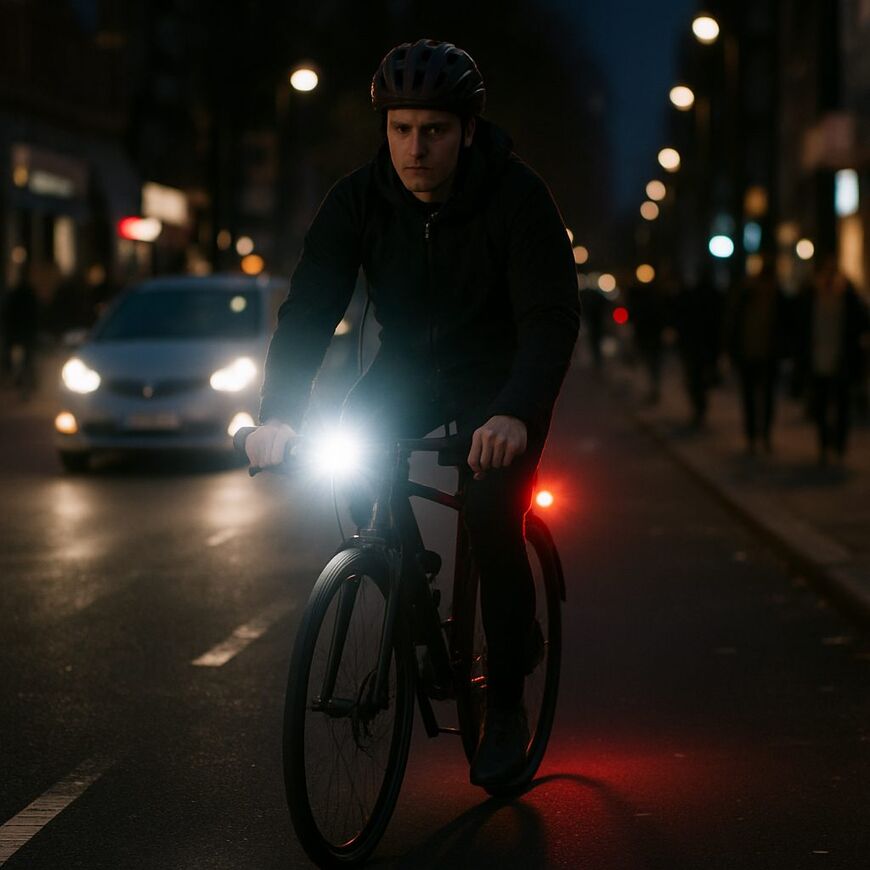
Cycling at night presents unique challenges for riders, making visibility and safety on dark roads critical. Proper lighting is not just a matter of convenience; it is essential for the safety of the cyclist and their surroundings. When we talk about lighting, we refer not only to the front light but also to the rear light and reflectors that help ensure visibility from all directions.
When a cyclist navigates the roads at night, they must be visible to vehicles, pedestrians, and other cyclists. Appropriate lighting allows the rider to see and be seen optimally. For example, the KK-20 bicycle light provides strong and safe illumination at an affordable price. This light instills confidence in the rider throughout the night with lighting that enables early detection of obstacles.
Quality lighting contributes to recognizing obstacles on the road and reduces the risk of accidents. Inadequate or missing lighting can lead to dangerous situations, such as colliding with a vehicle or losing control of the bike. Furthermore, good lighting can prevent scenarios where a vehicle fails to spot the cyclist in time and reacts too late.
Therefore, choosing a quality bike light that meets your personal needs is crucial. Pay attention not only to the brightness but also to the build quality, water resistance, and durability under harsh weather conditions. A good light can mean the difference between a safe ride and a serious risk.
Selecting Front and Rear Lights
Choosing both a front and rear light is essential for any cyclist. Each serves a unique purpose and should be selected according to the specific needs of the rider. A high-quality front light can significantly enhance safety by allowing the rider to clearly see the path and identify potential obstacles at a distance.
Front Light
The front light is used to illuminate the path ahead and helps spot potential obstacles. Front lights like the CH-2028 are equipped with advanced LED technology that ensures bright and clear illumination. LED technology provides strong lighting while conserving energy, allowing the light to operate for extended periods between charges.
When selecting a front light, consider its beam angle. A light with a wide beam angle will offer better peripheral vision, especially in open areas or hilly roads. Additionally, some lights come with adjustable brightness settings and beam angles to adapt the illumination to changing road conditions.
Rear Light
The rear light serves to indicate the rider's position to vehicles approaching from behind. It is important for this light to be clear and to provide either steady or flashing illumination. A model like the HJ008-2 offers powerful lighting both front and rear at a particularly accessible price. Flashing lights can be especially effective since they attract more attention than steady lights.
Moreover, consider the light's resistance to water and shock, especially if you ride in rough conditions or variable weather. Quality lights also offer dust and moisture resistance, ensuring reliable operation even under harsh conditions.
Brightness: How Many Lumens Do You Really Need?
When it comes to brightness, the key question is: how many lumens do you need as a cyclist? Lumens are the basic metric for the amount of light produced by a bulb. For urban cycling, a brightness of around 200 to 300 lumens is sufficient. For riding on darker roads or open spaces, it is advisable to opt for a light with a brightness of 600 lumens or more.
It's important to remember that excessively high brightness can be blinding and dangerous for other cyclists, so adjust the brightness to match road and environmental conditions. At Gamby.co.il, you can find a wide variety of bike lights that will perfectly suit your needs. Additionally, pay attention to the energy consumption of the light, as lights with higher brightness may require more frequent charging.
Also, consider lights that offer multiple lighting modes, allowing adjustments to varying conditions during the ride. For example, a low light mode for city riding and a high light mode for off-road riding.
Batteries and Charging: What Should You Check?
When choosing a quality bike light, one of the most important considerations is the type of batteries and charging options available. Most lights come with disposable batteries or rechargeable batteries. Disposable batteries are convenient but can be costly in the long run. Rechargeable batteries are a more economical and environmentally friendly solution.
Check the operational time of the light based on the type of battery. Lights with high-quality rechargeable batteries can last for many hours. Some models also offer quick charging options, which can be a significant advantage for riders spending much time on the road.
Additionally, check if the light has a battery status indicator that can alert you in advance when charging is needed. This is especially vital for riders undertaking long rides, as a light that goes out mid-ride can jeopardize safety.
Comparing Brands and Models
When selecting a bike light, it's essential to compare brands and models to make the best decision. For instance, the FF-302 bike light offers strong illumination at an accessible price, while the KK-20 provides additional lighting options, such as flashing modes. It’s worth considering products that combine lighting with other functions.
Brand comparisons should also include an examination of the material durability, water resistance, weight of the light, and ease of use. Some brands offer longer warranties, which can indicate the brand's confidence in product quality. Be sure to check user reviews and expert opinions to get a comprehensive picture of the advantages and disadvantages of each model.
Tips for Choosing a Light Based on Riding Type
Selecting a bike light should be tailored to the type of riding. For off-road riders, it’s important to equip a light with high brightness and a wide beam angle. For urban riding, a medium-brightness light with a flashing option is usually sufficient. When riding at night, it is particularly important to choose a light with high brightness and long-lasting battery life.
Riders who frequently undertake long rides may benefit from a light with particularly extended operational time or one that allows for quick battery changes on the go. Additionally, consider the weight of the light, especially if you ride lightweight bikes and want to minimize added weight.
Furthermore, consider the convenience of installing and removing the light. A light that can be easily attached and detached can be an excellent solution for riders seeking flexibility and convenience.
Guide to Maintaining Your Bike Lights
Keeping your bike lights in good condition greatly contributes to safety while riding. Use a damp cloth for daily cleaning and dry them immediately to prevent damage. Ensure that the batteries are functional and avoid exposure to water.
Regularly check the buttons and connectors. If you notice signs of corrosion, clean gently. This maintenance minimizes the risk of unexpected failures and ensures reliable function of the light. Don’t forget to check the reflectors—they are critical for road safety.
Frequently Asked Questions About Bike Lights (FAQ)
How many lumens do I need for a bike light? For urban rides, a brightness between 200 and 600 lumens is more than sufficient. Are LED lights better? Absolutely, they provide stronger light and are energy-efficient.
Is there a difference between different brands? Certainly, differences include build quality, reliability, and features such as water and shock resistance. A light with multiple lighting modes is particularly useful, as it accommodates various road conditions and helps save energy.
So, Which Bike Light Should You Ultimately Choose?
The choice of a bike light should take into account your personal needs and riding environment. For instance, if you primarily ride in the city, the FF-302 model will provide a good solution. For riders requiring more powerful illumination, it’s recommended to choose LED lights with yellow stripes.
Riders in any environment can find the right solution at Gamby.co.il. Be sure to read user reviews and dive into the technical specifications. If possible, try the light in practice to ensure it meets your needs. A good light not only enhances the riding experience but also increases safety on the road.


