































































The Latest Technologies in TVs: What You Need to Know?
How Do New Technologies Impact the Viewing Experience on TVs?
New technologies in the television industry significantly affect our viewing experience. Technologies such as OLED and QLED offer stunning picture quality, sharp colors, and high contrast. These technological advancements elevate the home viewing experience to new levels, allowing us to enjoy content in a quality we have never experienced before.
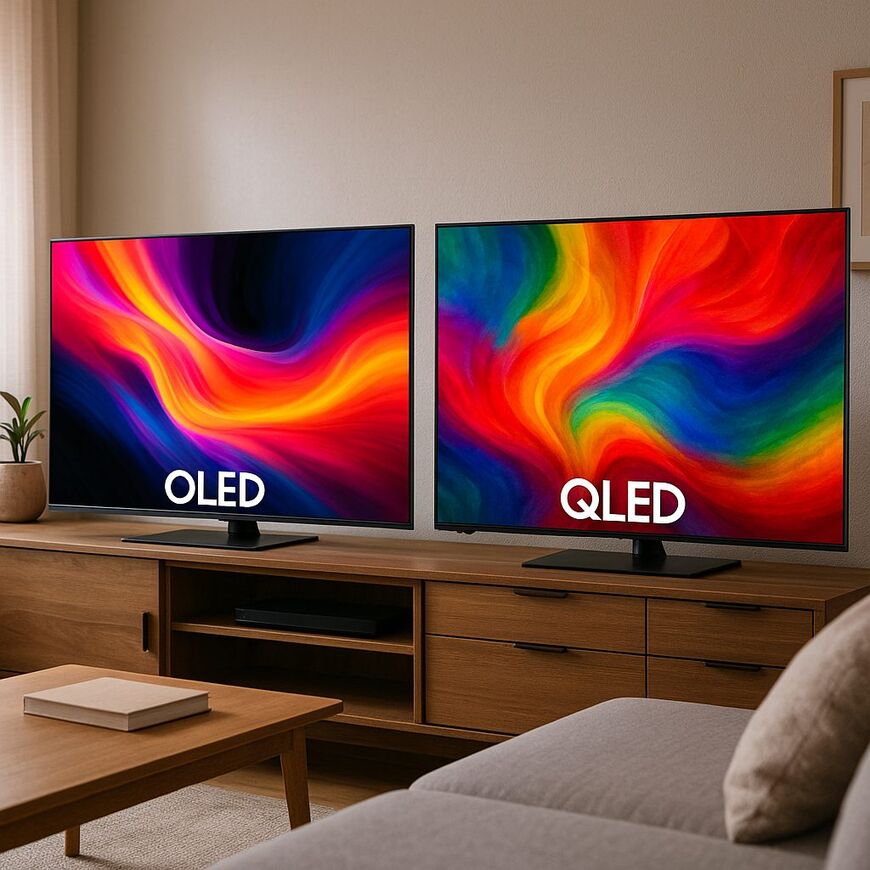
OLED (Organic Light Emitting Diodes) technology allows for richer, deeper colors, absolute blacks, and highly detailed images. Each pixel lights up independently, resulting in sharper and more lifelike images. This technology provides a cinematic viewing experience even from the comfort of home, especially when watching high-contrast content like movies or drama series.
On the other hand, QLED (Quantum Dot LED) technology offers outstanding contrast, especially in bright environments, ensuring an impressive viewing experience even in strong light conditions. QLED uses tiny quantum dots to enhance colors and brightness, granting the TV the ability to display images in notably vivid and true-to-life colors. This is a significant advantage for those watching TV in well-lit rooms or during the day.
Beyond the display technologies themselves, our viewing experience is also enhanced by advanced technologies like AI Upscaling, which improves the picture quality of lower-resolution content. This technology uses artificial intelligence to enhance details and adapt the image to a higher screen resolution, such as 4K or 8K.
Differences Between OLED and QLED
When choosing a TV, comparing OLED and QLED is inevitable. OLED provides precise colors and absolute blacks, thanks to each pixel illuminating independently. It's particularly suited for low-light viewing or a home theater experience. Many viewers prefer OLED for nighttime movie screenings when the room is dark, allowing them to appreciate the absolute blacks and rich colors.
QLED excels in higher brightness, allowing for an impressive viewing experience even in well-lit rooms. It offers particularly vivid and true colors due to quantum technology. Another advantage of QLED is its durability, as it is less prone to burn-in issues that can sometimes affect OLED screens.
Additionally, QLED TVs typically offer a wider range of screen sizes, allowing for better fit with different needs and room sizes. Moreover, new technologies like Mini-LED, integrated into QLED TVs, improve backlighting and enable more precise control over local dimming, leading to further enhancements in contrast and picture quality.
Tips for Choosing a Smart TV in 2026
Selecting a smart TV requires consideration of features that have become especially important. Resolution is a key component, with 4K and 8K TVs offering impressive and precise viewing. It's essential to check the availability of content in these resolutions, as not all media is broadcast in such high quality, so ensure you have access to appropriate content.
A smart operating system is essential for user-friendly TV use. Make sure the TV supports an operating system that suits your usage habits. Systems like Android TV, webOS, and Tizen are among the most popular, each offering different advantages in terms of user interface and app access. For instance, Android TV provides excellent integration with Google products, while webOS focuses on an intuitive and convenient user interface.
Fast connectivity options like Bluetooth and Wi-Fi enhance the user experience and facilitate easy connections to additional devices like smart speakers, smartphones, and tablets. Support for HDR (High Dynamic Range) technology improves picture quality with a wider color range and contrast, providing a richer and more realistic appearance. It's worth checking for support for advanced versions of HDR, such as HDR10+ or Dolby Vision, which offer further improvements in image quality.
How to Choose the Right TV Size for Your Room?
Selecting the appropriate TV size for your room is a crucial step in enhancing your viewing experience. To choose the right size, consider the room's dimensions, the distance from the TV to the seating area, and the viewing angle. A good rule of thumb is that the distance should be about 1.5 times the screen size in inches.
Ensure the TV is positioned at eye level and facing where you'll be sitting most of the time. The viewing angle is also important; make sure the screen is viewable clearly from all seating positions in the room. If the room is large, you may prefer a larger TV to guarantee optimal viewing. Also, consider whether you need a TV that can swivel or be wall-mounted to adjust the viewing angle optimally.
Price Comparison Between Different Models
Comparing prices between different TV models is a vital step before purchasing a new television. Set your budget in advance and compare between well-known brands like Samsung, LG, and Sony. Look for special deals and discounts to save on costs. It's important to check what's included in the price—whether there are extras like a quality sound system, mounting bracket, or extended warranty?
It’s also worth checking both online stores and physical retailers to find the best offer. Often, you can find more attractive prices online, but ensure the store is reputable and provides good customer service. Also, check the return policy and warranty conditions to ensure you're covered in case of a defect or dissatisfaction with the product.
Maintenance and Care for Smart TVs
Proper maintenance and care of smart TVs can extend the device's lifespan and keep picture quality high over time. Use a soft microfiber cloth to clean the screen and avoid harsh chemical cleaners. Regular cleaning will prevent the buildup of dust and dirt that might affect picture quality.
Ensure your TV is always updated to the latest software version and leave adequate ventilation space around the TV to prevent overheating. Proper maintenance also involves periodically checking connections and cables to ensure everything is securely and properly connected. If updates are available for the operating system or apps, it's advisable to install them to maintain optimal performance.
Less Known Yet Quality Brands in the TV Market
When searching for a new TV, brands like TCL and Hisense offer models with advanced technologies and impressive picture quality. Although they may not always receive exposure like larger brands, they provide cutting-edge viewing experiences and are worth considering. These brands often offer advanced features at more accessible prices, making them great options for anyone seeking good value for money.
Additionally, these brands are constantly improving and provide good customer service and technical support, ensuring a pleasant purchasing and usage experience. It's advisable to check reviews and ratings of various products to get a complete picture of the product quality and support offered by the company.
Frequently Asked Questions About Smart TVs
Many people wonder which smart TV to buy and what benefits they offer. A smart TV provides access to the internet and content apps like Netflix and YouTube. In most cases, a smart TV can connect to smartphones using technologies like Miracast or AirPlay, enabling quick and convenient content sharing.
Other common questions include deliberations about screen type, brightness and contrast levels, and whether HDR support is necessary. It's important to review the technical specifications of the TV and understand which features are most important to you. If you are attracted to specific technologies like Dolby Atmos for sound or AI Upscaling for image enhancement, ensure that the TV you choose supports them.
How to Choose the Perfect TV for You?
Your choice of the perfect TV should be based on your personal needs and budget. It's essential to define your main uses for the TV and consider the size of the room where it will be placed. Check reviews and seek opinions from experts and other users to ensure you make the best choice for your needs.
It’s also vital to consider the future—will the TV meet your needs in a few years? Does it support advanced technologies like 8K or HDR10+? These are questions worth asking before making a purchase. If you watch a variety of content such as gaming, movies, and series, ensure that the TV is well-suited for each of these uses.


