














































Guide to Buying Smart Lighting Accessories for Your Home
Why Upgrade to Smart Lighting?
Smart lighting offers numerous benefits for enhancing quality of life and saving electricity. In an era where technology impacts every aspect, smart lighting enables efficient and intelligent control of your home’s illumination. It is not merely a tech trend, but a fundamental shift in how we manage lighting in our homes, combining convenience, savings, and safety.
One of the primary advantages is energy savings. Smart bulbs can be programmed and controlled remotely, allowing you to turn them off automatically when no one is in the room or dim them during nighttime. This helps save on electric bills and contributes to environmental sustainability. With motion sensors, you can create an automatic lighting system that activates only when a room is in use, leading to even more energy savings. For instance, in children's rooms, motion sensors can ensure that lights turn on only when the child is present, thus preventing electricity wastage.
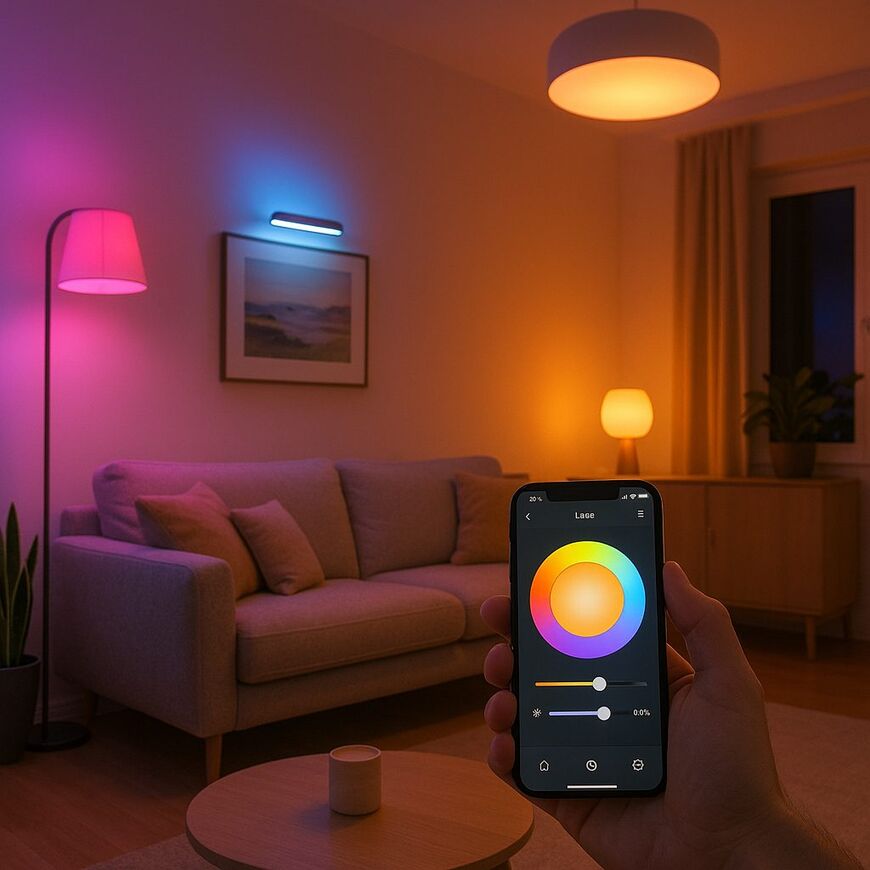
Smart lighting enhances quality of life by creating a personalized atmosphere. You can adjust the light color to match your mood or ongoing activities. For example, choose soft and romantic lighting in the evening or bright, focused light for work or reading. Smart lighting systems can also adjust brightness according to the time of day, allowing for more natural illumination and reducing the need for artificial light during the day. This adaptability can boost mood and increase productivity at work or during study sessions.
Furthermore, smart lighting can improve home safety. Bulbs connected to a fixed system can illuminate your home even when you are not there, creating a sense of presence and deterring intruders. You can also program the lighting to operate at varying times, making the home appear occupied even while you are on vacation. This feature is especially critical in areas with higher burglary risks.
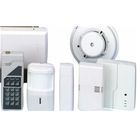
Additionally, there are smart lighting solutions that include smoke or carbon monoxide sensors that can alert you to dangers and trigger smart lighting to aid in emergencies.
How to Choose the Right Smart Lighting System for You?
When selecting a smart lighting system for your home, it's essential to understand your personal needs and adapt the product to your environment. Several factors can guide you in making the best choice, ensuring you maximize the benefits of your smart lighting setup.
Firstly, define your primary goals. Are you looking to save on electricity, improve home ambiance, or enhance safety? Based on these goals, you can choose a system that suits your needs. For example, if safety is a priority, consider systems with remote control features. If you're seeking a unique ambiance, invest in systems that offer a variety of colors and the option to program different lighting scenes, allowing you to create the perfect atmosphere for any event or mood.
Secondly, consider your budget. Smart lighting systems come in a wide price range, letting you find solutions that fit every financial plan. Look for systems that offer the functions you deem essential at an acceptable price. There are basic systems available at lower prices that provide straightforward control, while advanced systems offer more features at a higher price point. Proper budget planning can help you choose a system that meets your necessary requirements without overspending.
Finally, check the technical compatibility of the system with your home's structure. Different systems provide diverse communication types, so ensure that the system you choose aligns with your existing infrastructure. Also, verify compatibility with voice assistants like Google Assistant or Amazon Alexa, which can enhance convenience and voice control capabilities for your lighting system. Voice assistants allow you to control your lighting through vocal commands, adding ease and functional value to your system.
Communication Types in Smart Lighting: Wi-Fi, Zigbee, and Bluetooth
Selecting the appropriate communication type is a crucial part of the smart lighting purchase process. The three most common communication types are Wi-Fi, Zigbee, and Bluetooth, each with its advantages and drawbacks. Understanding the differences between these communication types will help you choose the system that best meets your specific needs.
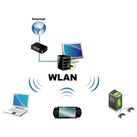
Wi-Fi enables a direct connection to your home internet network. Its main advantage is the extensive range and the ability to control your lighting from anywhere in the world, provided there's an internet connection. The downside is that Wi-Fi can overload your home network if there are many connected devices. Additionally, it requires a stable internet connection, which can be problematic in case of network failures. However, Wi-Fi-based systems offer great flexibility and can connect to a wide range of other smart devices.
Zigbee is a wireless communication protocol that saves energy and allows for the connection of many devices. It's ideal for smart home systems but requires the purchase of a hub to connect to the internet. The advantage of Zigbee is that it creates a mesh network, allowing for many devices to connect without burdening your home Wi-Fi network. This system is particularly suitable for homes with multiple smart devices.
Bluetooth is suitable for use in smaller areas where the range is relatively short. Its advantage lies in its independence from the internet, but its limitation is the short range and the need to be in close proximity to control devices. This solution is ideal for those seeking simple, economical control without the need for internet connectivity. Bluetooth is particularly suitable for bedrooms or small offices, where local control is sufficient.
Installation and Maintenance of Smart Lighting
Installing smart lighting in your home can be relatively straightforward, especially if you have basic electrical knowledge. Ensure you have the necessary tools, such as screwdrivers and wires, on hand. Before installation, it’s advisable to read the instructions included with the product and confirm that the system you are installing is compatible with your existing infrastructure. Proper installation guarantees optimal system performance and prevents future issues.
If professional assistance is required, consider contacting a certified electrician. Maintenance includes periodic checks of electrical connections, cleaning fixtures of dust, and replacing bulbs as needed. Regularly updating the system software is essential to ensure efficient operation. Software updates can include performance improvements, bug fixes, and new features that enhance the value of your smart lighting system. Regular maintenance will ensure the system continues to function properly over time.
It's also important to check the battery status of wireless sensors and replace them as necessary to prevent functionality issues.
Price Comparison and Recommended Brands
When purchasing smart lighting accessories, it’s wise to compare prices and brands to find the best product for your needs. The price range for smart lighting varies based on brand, functionalities, and additional features offered. Choosing the right brand ensures you receive a high-quality and reliable product.
When selecting a brand, seek recommendations and reviews from previous customers to ensure the product you are purchasing is trustworthy and of high quality. Recommended brands include Philips Hue and LIFX, which offer a wide range of smart lighting accessories with excellent quality and advanced functions. Other brands like Xiaomi and Yeelight provide solutions at more affordable prices but still offer smart and advanced features. Choosing a reputable and reliable brand will provide peace of mind and quality customer service when necessary.
Be sure to also check the brand's support for software updates and customer service to ensure you receive the required assistance in case of issues or questions. Brands that offer ongoing updates and accessible customer support will ensure that your system remains current and operates optimally.
Tips for Upgrading an Existing Lighting System
If you are already using conventional lighting and wish to upgrade to smart lighting, there are several simple and effective ways to do so. First, check if your current light fixture supports smart bulb fittings. If it does, you can replace the regular bulbs with smart bulbs that can be controlled via an app or remote control. This way, you can enjoy the benefits of smart lighting without replacing your entire existing system.
Additionally, you can add smart components like motion sensors or dimmers to your existing lighting. With motion sensors, you can create an automated lighting system that activates only when there's activity in the room, contributing to energy savings. Dimming allows you to control the light intensity, adding flexibility to lighting usage depending on various needs in each room. Integrating smart components into your existing system can significantly enhance your lighting experience.
Ensure that the products you purchase are compatible with your current system. Check the compatibility of the new system with voice assistants like Google Assistant or Amazon Alexa to enjoy smarter and more advanced usage of smart lighting in your home. Voice assistants allow for voice control of your lighting, making it easier to use and more convenient. Combining smart lighting with voice assistants can elevate your smart home experience, making it more comfortable and efficient.
So, What Should You Ultimately Choose?
When selecting lighting for your home, it’s important to define your specific conditions and needs in advance. For example, if your goal is energy savings, look for bulbs with high energy efficiency ratings. If you don’t want to replace your existing infrastructure, ensure that the bulbs are compatible with your current setup. Compare prices and features to identify the most cost-effective option for you.
For anyone looking to upgrade their lighting at home or in the office, it's recommended to visit Gamby.co.il, where you can find a wide variety of quality lighting solutions. Review the existing selection and consult the smart buying guide to ensure you get the most suitable product for your needs.


