
















How to Choose a Quality Hair Dryer for Your Home Based on Your Styling Routine
How to Choose a Quality Hair Dryer: A Guide to Making the Right Purchase
Choosing a hair dryer for home starts with how you plan to use it: how often you dry your hair, and whether you need the appliance for drying alone or for styling as well. Then compare ease of use, settings, attachments, and price. This makes it easier to avoid paying for features you won’t use.
If you only dry your hair occasionally, a simple, easy-to-use model may be all you need. For daily use, comfort and weight matter more. A technology label or a high price doesn’t guarantee that a dryer will suit you. Compare models based on how you’ll actually use them, and check the purchase terms.
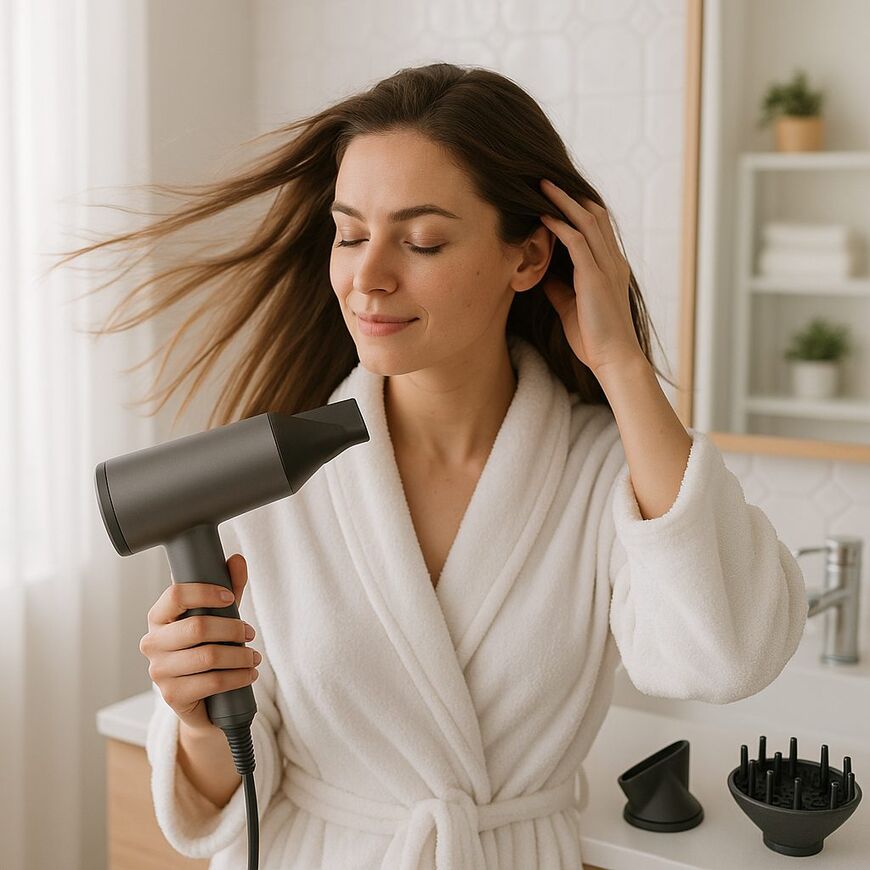
When comparing models, check whether you can adjust the heat and airflow separately. This lets you choose, for example, a lower heat setting with a strong airflow, or adjust both settings to suit your preferred styling method. A concentrator nozzle directs airflow at a specific area and can help when styling with a brush. A diffuser spreads airflow over a wider area and may be suitable for drying curly hair without concentrating the airflow. If you only need a dryer for basic drying, you may not need additional attachments.
Also check whether the dryer is comfortable to hold for extended periods, whether the cord reaches the outlet easily, and whether the noise level is suitable for home use. Review the warranty terms and find out who to contact if something goes wrong. A professional hair dryer isn’t essential for typical home use; choosing a model that suits your routine and budget matters more than its label or the number of features it offers.
The buying guide from CHOICE, updated on December 11, 2025, notes that price did not always indicate performance in its tests, and that ionic, ceramic, or tourmaline technologies did not improve dryer performance. This is not a test of every model sold in Israel, so treat technology labels as information to investigate rather than a promise of better results.
To reduce heat exposure, the American Academy of Dermatology recommends using the lowest heat setting needed and limiting how often you use heat-styling tools. A 2011 laboratory study of hair strands found greater damage to the hair surface as drying temperature increased under the test conditions. This finding does not determine the right drying routine for everyone.
Choose a Dryer That Fits Your Home Drying Routine
Think about what you usually do after showering: dry your hair quickly, style it with a brush, or do both. Choose a dryer based on your everyday routine, not a special hairstyle you only create occasionally. The sections below explain the differences between attachments for those who need them.
If your goal is simply to dry your hair, comfort and easy-to-understand settings are usually more important. If you style your hair while drying it, check whether the included attachments suit your technique.
Drying Only, or Styling Too?
You don’t need a wide range of attachments or extra functions for basic drying. If you style your hair as you dry it, check that the dryer includes the attachment you need for your technique. The sections below explain concentrator nozzles and diffusers.
How Often You Use It and How Long You Dry Your Hair
The more often you use a hair dryer, the more important ease of use becomes, especially if each drying session takes a while. When choosing a model, consider its weight, grip, and adjustment options. These details are explained separately below to make it easier to compare them.
Check Whether Heat and Airflow Can Be Adjusted Separately
The heat setting determines the temperature of the air, while the airflow setting controls how strongly air comes out of the dryer. When you can adjust the two settings independently, you can choose the combination that suits your needs, such as strong airflow with moderate heat.
Check how many settings each control offers, whether the labels are clear, and whether the controls are easy to change while drying your hair. More settings aren’t necessarily better, especially if it’s difficult to tell what each one does. Visit the Philips HP8230 product page to review its control details. Don’t assume which adjustment options it has based on its wattage or model name.
The number of settings alone doesn’t indicate the quality of a hair dryer. What matters more is that the controls are easy to understand and let you choose the heat and airflow levels that suit you.
Start with the Lowest Heat Setting That Works for You
According to the American Academy of Dermatology, it’s best to use the lowest heat setting that still dries your hair and to limit the use of heat-styling tools. You can start with a moderate setting and see whether it works for your routine.
A 2011 laboratory study found that higher drying temperatures were associated with greater damage to the hair surface. Because the study was conducted under laboratory conditions, it doesn’t determine the right drying routine for everyone. When using high heat, hold the dryer away from your hair and keep it moving rather than directing hot air at the same area for an extended time. No hair dryer can guarantee damage-free drying.
Choose Attachments to Suit Your Drying Technique
Before buying, check which attachments are included with the dryer and whether you’ll actually use them. An image on a product page doesn’t guarantee that every attachment shown is included in the box.
Concentrator Nozzles and Diffusers Serve Different Purposes
A concentrator nozzle is a narrow attachment that directs the airflow. It can be useful for drying and styling with a brush when you need to direct air along a section of hair. A diffuser spreads the airflow over a wider area and is often used to dry wavy or curly hair. Results also depend on your technique and hair type.
Choose attachments based on how you style your hair, not on how many are included in the box. If you don’t use a brush while drying, you may not need a concentrator nozzle. If you don’t need to spread out the airflow, you can skip the diffuser. Before using an attachment, make sure it fits securely and can be removed easily.
Comfort, Weight, and Noise Matter in Everyday Use
Product specifications don’t tell the whole story: a dryer may have all the attachments you want but still be uncomfortable to hold. Weight and balance are especially noticeable when you’re drying your hair with one hand or raising your arm to reach the back of your head. If you can try the dryer in a store, hold it as you would at home and test the buttons.
If you can’t try the model, check its weight in the specifications and look at the control placement in the product images. Customer reviews may offer clues about grip and noise, but they reflect individual experiences rather than standardized measurements. How much noise matters also depends on your home environment: people who dry their hair while others are sleeping may care more about noise than those who use the appliance during the day.
Before choosing, consider the following:
- Are the weight and grip comfortable for the length of time you’ll hold the dryer?
- Will the cord reach comfortably from the outlet to your usual drying spot without pulling tight or restricting your movement?
- Are the controls easy to reach, and can you change a setting without changing your grip?
- Is useful information available about the noise level? If not, can you test it in a store?
If you can’t try the dryer, its weight and control placement can help you rule out models that seem awkward for your intended use. However, these details can’t guarantee that the dryer will feel comfortable in your hand, since comfort also depends on your hand size and how you hold it.
Price and Technology Labels Don’t Tell the Whole Story
A high price or a technology label on the packaging doesn’t, by itself, mean a hair dryer will suit you. “Ionic” refers to the use of ions, while ceramic and tourmaline are materials that may be used in parts or coatings of the dryer. The presence of these terms doesn’t prove that the appliance will dry your hair faster or suit your hair better. Check what the manufacturer says about the specific model.
CHOICE’s buying guide, updated on December 11, 2025, states that the price of a hair dryer did not always predict its performance in the organization’s tests. The tests also did not show improved performance from ionic, ceramic, or tourmaline technology. These findings apply to the models and testing methods used by CHOICE, and are not a comparison of every hair dryer sold in Israel.
One mistake to avoid is paying more just because a technology label sounds impressive. Start with the features that will affect how you use the dryer, such as heat controls and included attachments. The Philips HP8230 product page lists details about the model; prices and specifications may change, and the model name alone doesn’t show whether it’s better than another option.
Wattage: A Comparison Point, Not a Promise of Faster Drying
The wattage indicates the appliance’s rated electrical power, according to the manufacturer’s specifications. It doesn’t directly measure drying speed or ease of use. When comparing models, also check the heat controls and airflow settings, and make sure the specifications apply to the versions you’re considering.
The model with the highest wattage isn’t necessarily the right choice. Consider your routine and the features you’ll actually use, too.
What to Check Before Choosing a Model
Once you’ve decided how you’ll use the dryer, review the specifications on the product page. This makes it easier to compare models based on your needs rather than the number of features highlighted in the advertising.
Focus on Features You’ll Actually Use
- How you’ll use it: Consider whether the dryer is for daily drying, styling while drying, or occasional use away from home.
- Controls: Check whether you can adjust the heat and airflow separately.
- Attachments: Confirm that the attachment you need is included in the box, rather than just shown in a product image.
- Weight and grip: Check the weight and control placement. If possible, hold the dryer before buying. Weight alone doesn’t determine whether it will be comfortable to use.
- Warranty and service: Find out who provides service and what to do if the dryer develops a fault. Terms may vary by seller, importer, and the version sold in Israel.
- Buying from abroad: Calculate the total cost, including the product price, shipping, and any possible charges. Check who is responsible for warranty coverage and service in Israel. If relevant, use the official, up-to-date calculator provided by the authorities. Costs and terms may change, so check them shortly before placing your order.
You can compare the Philips HP8230’s specifications with the same details for other models. Don’t rely only on the model name or wattage; check whether the specifications suit the way you plan to use the dryer.


