










How to Choose the Right Cordless Vacuum for Your Home
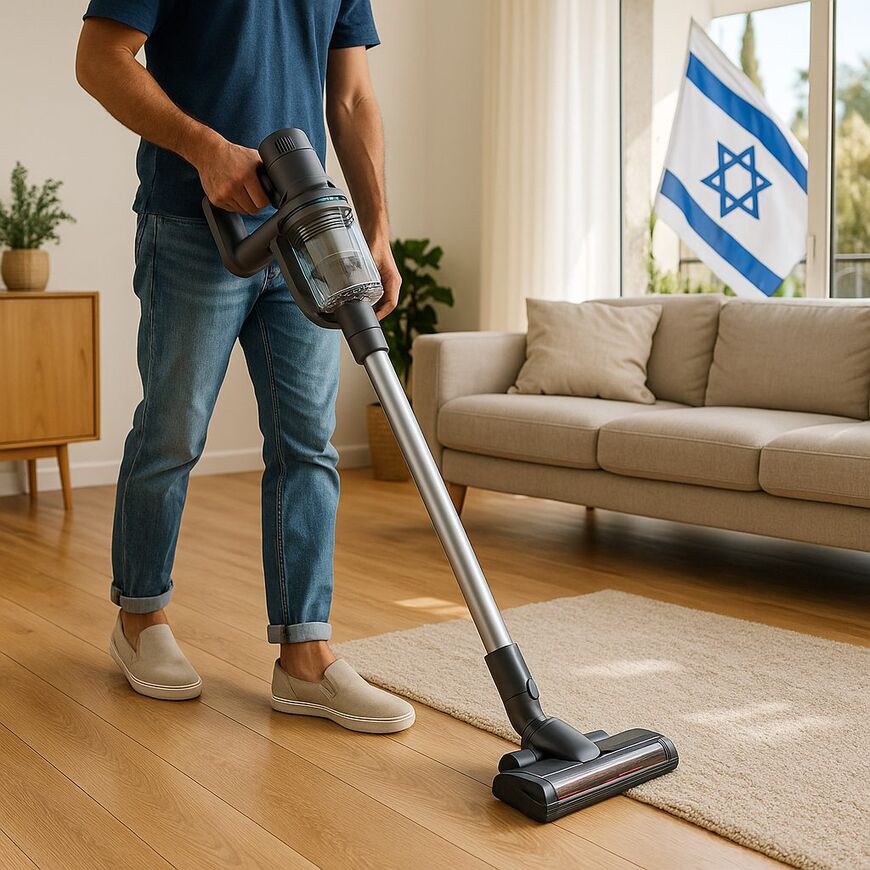
If most of your cleaning is picking up crumbs, quick passes down the hallway, or vacuuming car seats, a cordless model saves you from hunting for an outlet and dragging a cord. For longer cleaning sessions in a large home, however, runtime and the option to recharge between uses become decisive. So, when asking how to choose a cordless vacuum: a proper buying guide begins by checking your home size, floor types and cleaning frequency. Note which areas you usually clean—this makes it easier to compare specs that matter to you and to decide whether a corded model might be a better fit.
How to choose a cordless vacuum: match the vacuum type to your routine
For quick cleanups between tasks, moving between rooms or vacuuming stairs, a cordless appliance is especially convenient when there's no nearby outlet. A model that converts into a handheld vacuum is also useful for upholstery and car interiors. If you typically clean for just a few minutes at a time, check that the unit is easy to charge and convenient to grab and store.
A small home with hard floors has different needs than a large house with carpets, pets and stairs. If you clean the entire home in one go, check how long the vacuum actually runs in the suction mode you’ll use, and don’t rely only on the maximum runtime listed in the specs. Also check whether it can be charged where it’s stored and whether its weight is comfortable to carry between floors.
If you need long uninterrupted cleaning sessions and don’t want to stop for charging, a corded model can be a practical choice—provided there’s an accessible outlet and the cord reaches the cleaning area. In rooms with lots of furniture or when moving between rooms, a cord may snag or force you to change outlets. The decision depends on your cleaning route: cordless suits frequent short passes and spot cleaning, while corded is better for continuous work near an outlet.
Check the suction head and compatibility with floors and carpets
A power rating or a description like “powerful” doesn’t by itself tell you how the vacuum will perform on your floors. The suction head and brush design affect how well debris and crumbs are picked up; a brush that works well on tiles may struggle with a thick rug or hair caught in the pile.
For hardwood or laminate, make sure the brush is suitable for the surface and that you can turn off its rotation if needed. For carpets, look in the specifications for compatibility with your carpet type. A motorized brush can help remove dust and hair, but it needs periodic maintenance. On a dense or long-pile carpet, ensure the floor head glides over the surface without you having to push hard.
Choose attachments based on the regular tasks in your home: a crevice tool is useful for corners and between furniture, and an upholstery tool is better for sofas or car seats. If you have cats or dogs, check whether the brush can be removed and cleaned easily. Don’t rely only on stock images of the kit—check the product page to see which accessories are actually included.
Philips 4000 Series XC4201/01 cordless vacuum cleaner for home and car is presented for both home and vehicle use. The listed price was ₪889, but price and product details may change. Before ordering, review the product page for the full specifications, included accessories and suitability for your surfaces and cleaning tasks.
Compare runtime, charging and replaceable-battery options
The maximum runtime listed in the specs doesn’t necessarily reflect cleaning with a motorized brush or at high power. If the manufacturer provides runtime by mode, compare those numbers to the mode you’ll actually use. If you plan to clean mainly at high power, don’t rely on the maximum runtime figure.
Before buying, estimate how long it takes to clean your rooms, hallways, carpets and sofas. A small apartment vacuumed in normal mode presents different requirements than a large house with carpets or pets. If parts of your cleaning require high power, remember that total runtime will be shorter.
Check how long a full charge takes and whether the charging dock can be placed somewhere accessible without blocking traffic. Find out if the battery charges inside the unit and whether you can charge a spare battery separately. This detail matters especially if you want to keep cleaning while one battery charges.
For large areas or extended use, a swappable battery can prevent waiting for a recharge. Before purchasing, check whether compatible spare batteries are available, how easy they are to buy and what warranty covers them. Don’t assume a removable battery is standard on every model; confirm this with the manufacturer or retailer.
Consider weight, noise, dust bin and maintenance
Cleaning stairs, shelves and upholstery requires holding the vacuum up, so the assembled weight matters more than the motor’s body weight alone. If possible, try holding it in a typical working position and check whether the weight is top-heavy. That kind of balance can tire your arm when cleaning high corners or sofas.
In homes with small children, remote work or close neighbors, compare noise specifications across models in the same suction mode. High-power modes can be significantly louder, so a noise figure measured in normal mode doesn’t always describe the sound during carpet cleaning. Someone who vacuums a small area at a time may tolerate a noise level that would be annoying during a long session.
If you have rugs or pets, a small dust bin may fill before you finish and force frequent stops to empty it. Also check whether the bin is easy to open and clean without scattering dust. If anyone at home is sensitive to dust, find out how the bin is emptied and whether the process could release particles back into the room.
Check whether the filter is washable, what the cleaning instructions are and how often it needs replacement per the manufacturer. A clogged filter can reduce airflow, so make sure replacement parts are available. For significant allergy concerns, look for the model’s filtration details and consult a medical professional if needed.
Compare total cost, not just the purchase price
A low purchase price mainly suits those who need a tool for short jobs. Before buying, check which accessories are included, how much filters, brushes or a spare battery cost, and whether they are readily available. Review warranty terms as well—coverage for the battery and consumable parts may differ from the main unit’s warranty.
For example, the corded Tefal Cyclonic Power TW1923RH, 1200W, was listed at ₪489. This corded model’s listed price is lower than the cordless Philips model mentioned above. If you clean several rooms in sequence, also compare how easy it is to move the unit and how long the job takes; purchase price alone doesn’t decide between models. Prices and product details may change, so check them before ordering.
For quick cleanups in the car or around the house, consider a small handheld like the rechargeable MATRIX cordless car vacuum listed at ₪169. It may be suitable for spot cleaning, but before buying verify whether it’s meant for floors and whole-house cleaning. A small device for short jobs isn’t necessarily a substitute for a full-floor vacuum.
Short checklist before choosing a model
Write down the details that will help you compare the models you’re considering. With carpets, brush compatibility can be decisive; in a small apartment, weight and storage space may matter more.
- Surfaces: Check whether the vacuum is suitable for your floors, parquet and carpet types.
- Runtime and charging: Compare actual runtime in the mode you’ll use and the charging time.
- Comfort: Check weight, grip, maneuverability under furniture and the storage footprint.
- Accessories: Confirm which heads are included and whether they suit car interiors, upholstery or corners.
- Maintenance and costs: Check how to clean the dust bin and filter, whether spare parts are available, their cost and what the warranty covers.
Frequently asked questions about choosing a cordless vacuum
How long should a cordless vacuum run?
Compare the runtime to the length of your usual cleaning sessions and check which power mode was used to measure the figure. Eco-mode runtime doesn’t reflect how long the vacuum will run at high power. Cleaning carpets and using a motorized brush will drain the battery faster than cleaning an open floor.
Is a cordless vacuum suitable for a large house?
If you clean the entire house in one go, make sure the runtime is sufficient for the mode you’ll use. Also check whether the battery is replaceable and compare to a corded model if you don’t want to stop for charging. For a large home with many surfaces, the decisive factor is working time under your actual cleaning conditions—not just the maximum runtime in the specs.
Which accessory is best for a home with pets?
Look for a brush suited for carpets and hair and check whether you can remove and clean hair from it easily. For sofas or car seats, an upholstery head is often more useful than a floor tool. Match the kit to your surfaces and the amount of hair in your home—not just the number of accessories included.
So what should you choose in the end?
For short cleanups between tasks and for anyone who values moving from room to room without a cord, a rechargeable cordless model can be a good fit. Choose it only after checking runtime in the mode you’ll use, head compatibility with your surfaces and charging options. If you clean for a long time in one session, a corded model may be more suitable since there’s no need to stop and recharge. The main principle of this guide on how to choose a cordless vacuum is to compare specs according to your cleaning routine, not just the most impressive numbers. At Gamby.co.il you can review models, read product details and compare prices according to your needs and budget.


